


CineGhost Movie Picture Trivia
0.00.00 Reviews
App Specs
- Version
- 2.1.5
- Updated On
- License
- Free
- Downloads
- 10,000+
- Developer
- Stefano Solinas
- Categories
- Trivia
- Platform
- Android
Screenshots
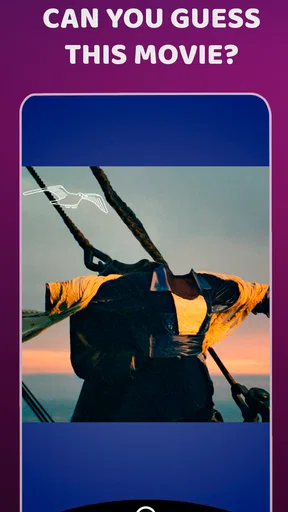

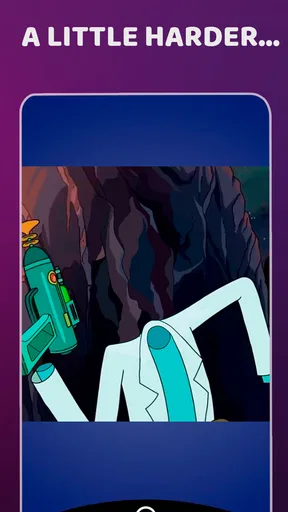
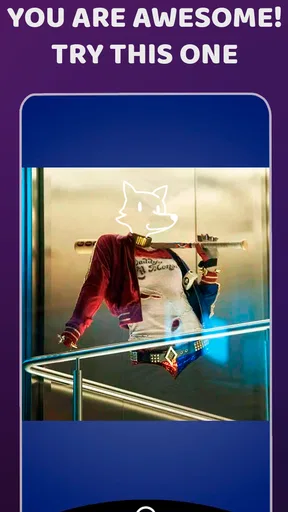
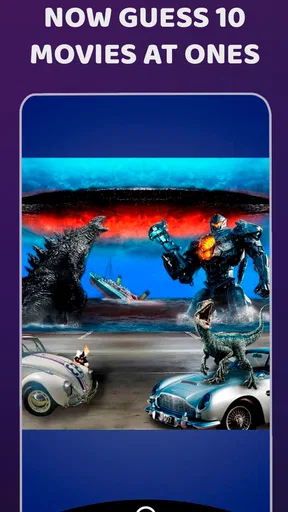
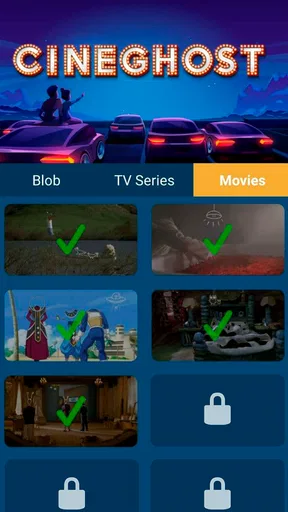
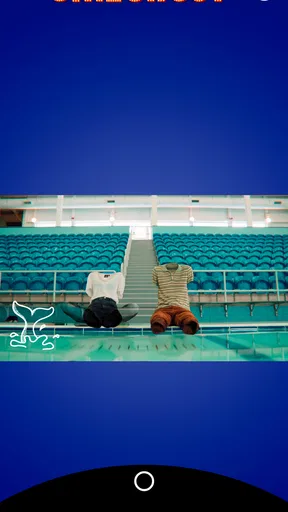
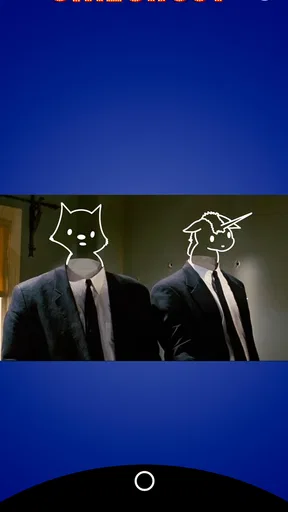
 Analysis by AppCompare
I went into CineGhost Movie Picture Trivia expecting a simple film quiz, and that is exactly what it is—but the simplicity is part of its appeal. Each round asks me to identify a movie from a single scene, turning a familiar film-memory challenge into a quick visual test. It is a free trivia game from developer Stefano Solinas, aimed at Teen players, and it works best when I want something light that can start and stop without demanding a long session.
The basic idea is easy to understand within moments: look closely at the picture, search my memory for the title, and enter the answer. There is no complicated rulebook to learn before playing. That makes it approachable for casual movie fans, while the one-image format gives the questions a useful sting. A recognizable actor, costume, location, prop, or color palette may point me in the right direction, but the image is rarely the same as seeing a poster or reading a title.
What makes the game worth considering is not a large collection of systems or a cinematic presentation. Its strength is the way it turns visual recognition into a compact activity. I can play alone during a short break, pass the phone around with friends, or use it as a conversation starter after watching a film. At the same time, anyone looking for deep film facts, detailed explanations, or a full movie-themed adventure should keep expectations realistic.
How the first few rounds feel
The first impression is deliberately direct. I do not need to build a character, manage a collection, or understand a map. The game puts the movie image at the center and asks me to make a judgment. That immediate focus suits the trivia format because the challenge begins with recognition rather than preparation.
A single frame creates a different kind of pressure from a conventional multiple-choice quiz. With choices on screen, I can often narrow the answer by elimination. Here, the picture has to do more of the work. I may recognize the visual language of a film without instantly remembering its name, which creates a small but satisfying gap between “I know this” and actually giving the answer.
I also like that this structure leaves room for different kinds of movie knowledge. A person who remembers cinematography may notice lighting or composition first. Someone else may identify a performer, a setting, or a distinctive object. The game therefore rewards more than memorizing release information. It tests the visual memory that builds up naturally after watching many films.
That said, the same design can make some rounds feel dependent on personal exposure. If a scene comes from a movie I have not watched, the image may offer little help. This is not a flaw unique to the game, but it matters when deciding who will enjoy it. It is much more welcoming to broad film fans than to players who prefer trivia with a clear route to the answer through general knowledge.
Worth Reading Before You Choose

Flipboard Shows What News Apps Must Do Beyond the Feed

Switching to Android Auto Means Rethinking Your Driving Routine

Google Calendar Makes a Crowded Week Easier to Manage

Ludo King Makes the Most of the Minutes Between Plans

Baby Panda World Brings Quick Play to Modern Phones, but Its Game Library Feels Busy

ESPN’s Live Game View Makes Following Close Games Easier
The free entry point is useful for trying it without commitment. The game has optional in-app purchases priced from around one and a half dollars to nearly twenty-nine dollars per item, so I would approach those carefully and decide first whether the core quiz fits my habits. The purchase range makes it especially important not to treat every hint or extra as automatically worthwhile. For me, the better approach is to play naturally, use memory before assistance, and only consider spending if the experience remains enjoyable over time.
A practical way to play without turning it into a guessing blur
My most useful habit is to inspect the image in layers instead of jumping at the first familiar face. I start with the setting: is it an interior, a street, a workplace, a historical location, or something deliberately artificial? Then I look at wardrobe, lighting, props, and the arrangement of characters. This order helps me separate a genuine clue from a vague resemblance to another film.
That method also makes the game more social. When I play with another person, we can each focus on a different layer. One player studies the actors and costumes while another searches memory for the setting or visual style. The result feels less like shouting random titles and more like solving a small visual puzzle together.
A second useful tactic is to say the possible title aloud before entering it. Film memories often arrive as fragments: a scene, a performer, or a line of dialogue without the name attached. Speaking through the connection can expose whether I am remembering the correct movie or simply mixing two similar scenes. It is a small adjustment, but it makes the challenge feel more thoughtful.
The visual language does most of the storytelling
Because the game revolves around one scene at a time, art direction is not decoration around the mechanics; it is the mechanic. The image has to communicate enough identity for recognition to be possible while still leaving uncertainty. A strong question gives me several clues that point in the same direction. A weaker one may depend on a tiny detail or on having already seen the exact film.
I find the setting particularly important. A location can suggest genre before I consciously identify anything else. A stark room, a crowded city street, an isolated landscape, or a formal interior each carries a different cinematic association. When the frame includes those environmental signals, the puzzle feels fairer because I am reading the whole composition rather than hunting for one famous face.
Color and lighting also influence the mood of a round. Even without movement, a scene can feel tense, playful, elegant, bleak, or strange. That atmosphere becomes a clue in itself. I may not remember a title from a neutral description, but I can sometimes recognize the visual personality of a film from its contrast, palette, or staging.
There is an interesting trade-off here. The more distinctive the image, the faster the answer may come. The more ordinary the frame, the more the game tests genuine recall. I prefer a mixture, because a sequence of instantly obvious images would become repetitive, while a run of obscure scenes could feel discouraging. The enjoyment depends on that balance between recognition and uncertainty.
Players should also remember that a screenshot is a frozen moment, not a complete explanation of a movie. A frame can be memorable because of what happened immediately before or after it, yet that context is removed in the quiz. I sometimes recognize the emotional tone before I can place the story. That is part of the charm, but it also explains why a familiar film can occasionally produce a surprisingly difficult round.
Sound, silence, and the rhythm of a short quiz
The most notable sound-related point is that the game’s identity comes from pictures rather than audio clips. I am not identifying a film from a theme, a line, or a sound effect. That keeps the experience focused on visual memory and makes it easier to play in places where I do not want a loud game competing with the surroundings.
This quiet, image-led approach changes the rhythm. There is no need to wait through a long introduction before reaching the question. I can look, think, answer, and move on. That compact loop works well during a commute, while waiting for an appointment, or in the few minutes before going to bed. It also makes the game suitable for sharing a device because each question can become a brief group discussion.
The downside is that players who expect the emotional lift of a soundtrack may find the presentation restrained. A movie quiz with clips or recognizable music can create excitement through sound, while this game asks the image and the player’s memory to provide the energy. In my experience, the atmosphere is therefore more concentrated than theatrical. It feels like a visual test rather than a miniature cinema experience.
Pacing matters more here than spectacle. If I hesitate too long, I can lose the feeling of a quick challenge and start rummaging through every movie I have ever seen. I get better results by setting a personal limit: first impression, visual inspection, one or two candidate titles, then a decision. This keeps the game moving and prevents a single stubborn image from taking over the session.
That approach also reveals an important difference between playing alone and playing with friends. Solo play is more reflective because I can analyze the frame carefully. Group play is faster and louder, even though the game itself does not need a soundtrack to create excitement. Competing memories produce their own rhythm, with one person noticing a costume and another recognizing the setting.
Why the mechanics fit the subject
The central mechanic is a strong match for cinema because movies are remembered visually as much as verbally. A poster gives away the title’s identity, while a random piece of dialogue may favor people with excellent quote memory. A scene picture sits between those extremes. It offers evidence, but it requires interpretation.
That makes the game more satisfying than a basic list of film questions for the right audience. I am not only answering “who directed this?” or “which actor appeared in that movie?” I am trying to reconstruct a title from the way a film looks. The challenge feels closer to recognition than recall, although both skills are involved.
Compared with multiple-choice trivia, this format is less forgiving and potentially more rewarding. Multiple-choice options are useful when I want a relaxed quiz or a learning experience, because even a wrong answer can teach me something. A picture-only prompt creates a cleaner test of memory but offers fewer supports when I am stuck. I would choose CineGhost for a quick challenge and a broader quiz app for structured facts and explanations.
Compared with movie-guessing games built around short video clips, the picture format is lighter and usually easier to fit into a quiet moment. A clip can provide acting, editing, dialogue, and music as clues, but it also requires more attention and often creates a longer turn. A still image is less rich, yet that limitation is what makes this game convenient.
Compared with crossword-style film games, the experience is also more immediate. There is less emphasis on spelling patterns or written clues and more emphasis on visual association. That will appeal to players who think in images, but it may frustrate people who prefer a clear word-based path to the answer.
One of the less obvious strengths is that the game can work as a movie-night warm-up. Before starting a film, friends can play a few rounds and compare which visual details they notice. Afterward, the same activity can become a test of whether the newly watched movie left a strong enough visual impression. It is not a replacement for a full party game, but it fills the small space between conversation and watching.
Another useful workflow is to treat difficult images as memory prompts rather than failures. If I miss a title, I try to remember why the frame looked familiar: the location, the wardrobe, the lighting, or the actor. That reflection makes later rounds more enjoyable because I become better at reading cinematic clues. The game does not need a formal lesson system to encourage this kind of learning; the image itself supplies the lesson when I pay attention.
Who will enjoy it, and who should choose something else
I would recommend it to people who watch a wide range of films and enjoy the moment when a scene suddenly clicks into place. It is particularly suitable for short sessions, casual competition, and players who prefer visual prompts to long text questions. The Teen content rating also places it in a general older-youth and adult context, so families should still consider whether the film imagery suits the players using it.
It is less suitable for someone who wants a detailed film database, explanations after every answer, or a progression system that feels like a full game campaign. It may also be a poor fit for players who have limited movie experience, because an unfamiliar frame can provide too little information. In that case, a multiple-choice quiz with hints and factual feedback would probably be more welcoming.
Offline play is one of the practical reasons I would keep it installed. A picture-based quiz that can be played without an active connection is useful for travel and waiting rooms, especially when I want something more focused than scrolling through social media. I would still treat it as a compact pastime rather than a substitute for a streaming service or a complete film reference tool.
The game is also a good choice for people who dislike complicated controls. There is no need to master timing, movement, or a large interface. The challenge is mental rather than physical. That simplicity can feel refreshing, although players who need constant novelty may eventually find the repeated image-and-answer structure too narrow.
Version, access, and the everyday experience
The current version is 2.1.5, and the game supports Android 7.0 or later. That makes it accessible on a broad range of compatible Android devices, including phones that are not recent flagship models. I would still judge the experience mainly by screen size: a larger display gives me more room to inspect details in a scene, while a small screen can make subtle clues harder to read.
With over ten thousand installs, it has reached a modest but real audience without feeling like a huge mainstream trivia platform. That matters if you prefer a focused title built around one clear idea. The developer, Stefano Solinas, keeps the concept centered on movie-picture recognition rather than expanding it into unrelated genres or systems.
In daily use, I would open it when I have five or ten spare minutes rather than planning an extended gaming session. For example, on a train ride I can play a few rounds with the sound off, pause when my stop approaches, and return later without needing to remember a complicated objective. During a movie night, I can hand the phone to a friend and let the image start a debate about what we have watched.
The purchase options deserve a measured approach. Since the game is free to start and individual in-app items range from around one and a half dollars to nearly twenty-nine dollars, I would avoid buying anything impulsively after a frustrating question. First I would establish whether the available challenge remains enjoyable without assistance. If hints or extras become necessary for every round, that is a sign the format may not suit my movie knowledge rather than a reason to spend more.
The atmosphere it leaves behind
CineGhost succeeds when I treat it as a visual memory game with a film-loving personality, not as a complete simulation of cinema. Its art direction is carried by the selected scenes, its sound profile is naturally restrained, and its pacing comes from the quick cycle of looking, remembering, and deciding. Those elements fit together because the game never asks the presentation to compete with the central question.
The atmosphere is strongest in the pause before recognition. I look at a frame, notice a familiar arrangement, and gradually connect it to a title. That small moment creates a mood of discovery without needing elaborate effects. The game feels most coherent when I let the image breathe and resist guessing too quickly.
Its limitations are equally clear. A single picture cannot provide the richness of a clip, and visual familiarity is uneven across players. The experience may feel too narrow for someone seeking extensive film education or a more varied trivia structure. The optional purchase range also means I would pay attention to my spending rather than assuming that every extra improves the basic game.
For me, the final verdict is positive but specific: this is a focused, free movie trivia game for visual thinkers and film fans who enjoy short offline challenges. I would recommend trying it before spending anything, playing with a deliberate inspection method, and using it as a quick solo test or a small group activity. If your favorite part of cinema is recognizing the mood and details of a scene, this compact quiz has a clear reason to stay on your phone.
Pros
- Fun way to test your knowledge of movie images and visual clues.
- Quick trivia rounds make it suitable for short gaming sessions.
- Covers a wide range of films and recognizable cinematic moments.
- Simple controls make the game easy to pick up immediately.
- Can encourage players to discover movies they have not seen.
Cons
- Some answers may feel difficult without broad movie knowledge.
- Question variety may become repetitive after extended play.
- Ads can interrupt the experience
- depending on the app version.
- Older or niche films may be unfamiliar to younger players.
- Replay value may be limited once most puzzles are completed.
FAQs for CineGhost Movie Picture Trivia
What is CineGhost Movie Picture Trivia?
CineGhost Movie Picture Trivia is a movie-themed quiz game that challenges you to identify films from visual clues, images, or picture-based prompts. It is designed for casual players and cinema fans who enjoy testing their knowledge of actors, characters, scenes, posters, and popular movies. The app offers a simple format that is easy to understand, while the increasing difficulty can make later rounds considerably more challenging.
How does the gameplay work in CineGhost Movie Picture Trivia?
The main gameplay revolves around looking at a movie-related picture and selecting or entering the correct answer. Some clues may be immediately recognizable, while others require attention to costumes, locations, actors, logos, or memorable scenes. Progress generally depends on answering correctly, and the game is best enjoyed at your own pace. It is suitable for short sessions, although movie enthusiasts may find themselves playing longer while trying to solve difficult questions.
Is CineGhost Movie Picture Trivia suitable for beginners and casual players?
Yes, CineGhost Movie Picture Trivia is accessible to beginners because its core idea is straightforward and does not require complicated controls or previous experience with trivia games. However, familiarity with mainstream cinema will make the early levels easier. Players who do not watch many movies may encounter challenging questions sooner, particularly when the images are less obvious or relate to older, international, or less widely known films.
Does CineGhost Movie Picture Trivia require an internet connection?
The connection requirements may depend on the version of the app and how its images, advertisements, updates, or optional features are delivered. It is advisable to launch the game while connected to the internet, especially after installation or an update, to ensure that all content loads correctly. If offline play is supported, some online features may still be unavailable, so users should not assume that every function works without connectivity.
Are there advertisements or in-app purchases in CineGhost Movie Picture Trivia?
CineGhost Movie Picture Trivia may include advertising or optional purchases, as is common with free-to-download mobile trivia games. Advertisements can appear between rounds or when using certain assistance features, while purchases may be offered to remove ads, obtain hints, or unlock additional content. Before downloading, users should review the current Google Play or App Store listing for the latest pricing, permissions, and purchase information.


